


Η παράσταση «Να μου στείλετε μια ρεπούπλικα» που
είδαμε από το θεατρικό οργανισμό Στιγμή στο θέατρο Μελίνα Μερκούρη στο πλαίσιο
των «Θεατρικών συναντήσεων» είναι βασισμένη σε μαρτυρίες και ποιήματα του Ρώμου
Φιλύρα (1888-1942) με τον τίτλο «Η ζωή μου εις το Δημοκαϊτειον» (1929).
Μια ομάδα με υποσχέσεις «Η ιστορία του κυρίου Ζόμμερ» στο θέατρο Ούγκα Κλάρα
Την
ομάδα την πρωτοείδαμε στο Θέατρο Σοφούλη πέρυσι και μας άρεσε. Δοκίμασαν τις
δυνάμεις τους με μια μεταμοντέρνα μουσικοχορευτική περφόρμανς βασισμένη σε
αποσπάσματα από μυθιστορήματα και ποιήματα γνωστών Ελλήνων συγγραφέων και τα
πήγαν μια χαρά.
Θέατρο Vs Χρήμα: σημειώστε 2: Γενικά περί κοινωνίας και θεάματος
Είναι γνωστό πως σε στιγμές βαθιάς κρίσης ταυτότητας,
οι κοινωνίες έχουν την τάση να καταφεύγουν στο θέατρο, ίσως γιατί ο πρωτεϊκός
του χαρακτήρας τους δίνει τη δυνατότητα να υπερβούν την κρίση μέσα από την
υιοθέτηση ενός "άλλου" εαυτού (Debord 1983). Έχω την αίσθηση πως
ποτέ άλλοτε ο κόσμος δεν ήταν τόσο επιρρεπής στο θεατρικό παίγνιο όσο σήμερα,
ίσως γιατί ποτέ άλλοτε δεν ήταν τόσο αβέβαιος ως προς το ποιος είναι, τι θέλει
και
Η μεταδραματική αισθητική των Blitz

Βlitz=αστραπιαία αεροπορική επίθεση. Με
θεατρικούς όρους θα μπορούσε να μιλήσει κανείς για «επίθεση» ενάντια στον
ορίζοντα των προσδοκιών του θεατή.
Ενάντια σ’ αυτό που γνωρίζει και αποδέχεται ως θέατρο. Μια σχεδόν φουτουριστική
διαλυτική παρέμβαση, με στόχο τη δημιουργική ανασύνθεση κάπου αλλού.
Η Ομόνοιά μας: περί τόπων και ουτοπιών
Κανένα
έργο, πολλώ δε μάλλον ένα κλασικό έργο, δεν σημαίνει από μόνο του. Δεν είναι ούτε αυτο-κινούμενο
ούτε αυτο-τροφοδοτούμενο. Το νόημα μπορεί να κατοικοεδρεύει στο σώμα του, όμως
παράγεται και αναπαράγεται από συγκεκριμένα άτομα και κάτω από συγκεκριμένες
συνθήκες. Η εξόρυξη γίνεται σε χρόνο ενεστώτα, εδώ και τώρα, και κανείς δεν
μπορεί να γνωρίζει εκ των προτέρων εάν το μέταλλο θα είναι πολύτιμο ή όχι, αποδεκτό ή όχι.
Ο τρόμος του κενού
Ο Μαρκ Ρέιβενχιλ είναι ένας συγγραφέας που μπορεί
να μη μασάει τα λόγια του, μπορεί να σοκάρει με τις αμοραλιστικές του απόψεις,
όμως το Σύστημα έχει δείξει ότι ξέρει πολύ καλά να απορροφά τους όποιους
επιφανειακούς κραδασμούς προκαλούν οι αιρετικές του θέσεις.
Charles Mee's Intertextual and Intercultural Inscriptions: The Suppliants Vs Big Love*

Charles Mee, Big Love
I: Despite (or because of) the political, technological and other radical changes in our postmodern times, theatre artists from all over the world still turn to the Greek classics, perhaps more frequently than any of their predecessors, with a variety of motives.[1] Some are attracted by the material or the character of the original which in many cases has led to a new version, a self-standing work. Others are tempted by the possibilities of restoring the original vision and effect of a play which they deem to have become obscured or distorted (Innes 248, 249).
The Idea of Mediation in Handke's Kaspar

I: How is the self to be defined? How does it interact with the world? These questions certainly "bear no gifts to Athens." They have been central to world drama since the time of Aeschylus. Starting with the hypothesis that characters are coherent subjects, psychologically grounded in perceptual reality, playwrights throughout the ages have repeatedly tried to elaborate a system of stable oppositions (self/other, slave/master, inside/outside, I/you, signifier/signified) to theatricalize the plight of their characters vis-a-vis culture and its institutions, to create the illusion that theatre is composed of spontaneous speech. It is a "form of writing," as critic Elinor Fuchs compellingly argues in one of her recent essays, "that paradoxically seems to assert the claim of speech to be a direct conduit of Being" (172).
Re-membered pain in John Jesurun’s Philoktetes

What I cannot see, I can touch.
What I cannot touch, I can see.
What I cannot see, I can imagine.
What I can imagine is mine to keep. What I cannot imagine is not mine
John Jesurun, Philoktetes
Even in the midst of other people, everybody's locked inside his own world
John Jesurun
We know that in standard theatre, language is used to advance plot, create character, provide exposition and resolve tensions. In short, language "embodies an attitude towards explanation and truth that is not untypical of attitudes we frequently bring to bear on our own lives" (Quigley 1985: 223). This is not the case, however,
Heterotopias of Blackness: The (Im)possibilities of the (Black) Female Self
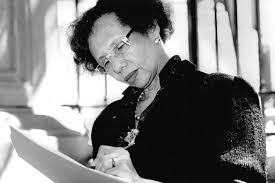
Each day I wonder with what or with whom can I co-exist in a true union.
Adrienne Kennedy, A Movie Star Has to Star in Black and White.
It is always right
to name the place you move in.
to name...these people now.
wherever you are
they come upon you like an image.
Jay Wright, “The Master of Names”
Black American culture is a very fragmented thing. We’re all trying to come up with some definition of what we are. My absolute definition of me is the schizophrenia, the contradiction.
George Wolfe (1986).
I: Heterotopias, for Michel Foucault, are “real places—places that do exist and that are formed in the very founding of society which are something like counter-sites, a kind of effectively enacted utopia in which the real sites, all the other real sites that can be found within the culture, are simultaneously represented, contested, and inverted.”


